Dr. Ardis explores the controversial topic of nicotine, challenging commonly held beliefs about its addictiveness and highlighting its potential benefits for health. He discusses the history of misinformation surrounding nicotine addiction and presents evidence suggesting that nicotine may have therapeutic effects, particularly in treating diseases like Parkinson’s and multiple sclerosis.
Dr. Ardis also delves into the role of nicotine in COVID-19, discussing studies that have found potential protective effects against the virus. Additionally, he addresses the presence of snake venom phosphodiesterase in COVID-19 vaccines and recommends natural ingredients to neutralize its effects.
Throughout the episode, Dr. Ardis advocates for a reevaluation of public health policies and encourages listeners to question mainstream narratives about nicotine.
Neurological disorders are linked to uncorrected or improperly treated dental issues. When dental work such as root canals, amalgam fillings, or cavitations are left unresolved, they can create interference fields that lower the body’s cellular voltage. This decline in bioelectrical potential weakens the body’s natural defenses, creating an environment in which parasites, heavy metals, and viruses can more easily penetrate the blood-brain barrier and compromise neurological function. Conversely, correcting these underlying dental disturbances often results in a measurable restoration of the body’s voltage, supporting immune function and neurological integrity.
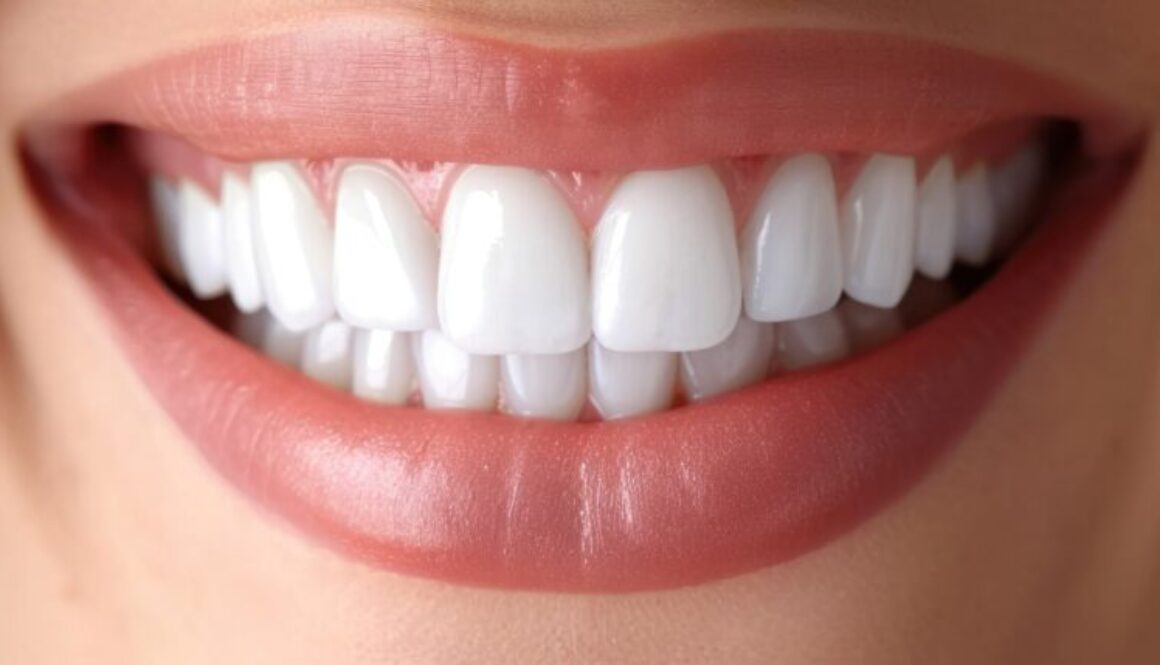
Integrative medicine and biological dentistry have revealed the profound connections between oral health and systemic well-being. One of the most insightful frameworks for understanding this dynamic is the tooth-organ connection—a model rooted in Traditional Chinese Medicine (TCM), neuroanatomy, and modern bioregulatory science. Each tooth is associated with specific organs and systems through energy meridians, neural pathways, and lymphatic channels. As such, disturbances in oral health can trigger dysfunction in distant parts of the body, especially within the brain and nervous system.
Understanding the Tooth-Organ Meridian System
The mouth is more than a mechanical system for chewing—it is a central interface in the body’s bioenergetic and neurological networks. Teeth are connected to organs and tissues via:
Acupuncture meridians (TCM theory)
Autonomic nervous system pathways
Blood and lymphatic circulation
Dental issues such as root canals, cavitations, infections, or metal-based fillings may act as interference fields, disrupting energy flow and leading to dysfunction in corresponding systems.
Tooth-Organ Meridian Chart
Tooth Position
Related Organs & Systems
Upper Incisors (7, 8, 9, 10)
Kidneys, Bladder, Urogenital system, Ears
Upper Canines (6, 11)
Liver, Gallbladder, Eyes, Tendons
Upper Premolars (4, 5, 12, 13)
Lungs, Large Intestine, Skin
Upper Molars (1-3, 14-16)
Stomach, Spleen, Pancreas, Thyroid
Lower Incisors (23-26)
Kidneys, Bladder, Reproductive system
Lower Canines (22, 27)
Liver, Gallbladder
Lower Premolars (20, 21, 28, 29)
Lungs, Large Intestine
Lower Molars (17-19, 30-32)
Stomach, Pancreas, Small Intestine, Colon, Joints
Wisdom Teeth (1, 16, 17, 32)
Heart, Small Intestine, Endocrine system, Autonomic Nervous System
Note: Tooth numbers follow the Universal Numbering System.
Clinical Implications of the Tooth-Organ Link
Research and clinical experience show a strong correlation between unresolved dental infections and chronic disease. Common examples include:
Root canals on molars correlating with digestive issues.
Upper incisors influencing bladder or kidney disorders.
Lower premolars tied to respiratory and intestinal dysfunction.
Wisdom teeth and heart arrhythmias or nervous system dysregulation.
Modern Corroboration: Oral-Systemic Health Science
In Western medicine, growing evidence supports the oral-systemic health link:
Periodontal disease is associated with heart disease, diabetes, and Alzheimer’s.
Oral pathogens have been found in the brains of Alzheimer’s patients.
Heavy metals in amalgam fillings can leach into the bloodstream and cross the blood-brain barrier.
This supports the assertion that maintaining oral health is essential not only for dental integrity but for protecting the entire body.
Common Dental Disruptions and Their Systemic Impact
Dental Condition
Potential Systemic Effect
Root canal infections
Chronic fatigue, autoimmune symptoms
Mercury amalgam fillings
Neurological symptoms, kidney burden
Cavitations (jawbone lesions)
Headaches, immune suppression, joint pain
Gum disease (periodontitis)
Cardiovascular and respiratory disorders
Prevention and Holistic Approaches
Choose biocompatible materials in dental procedures.
Avoid unnecessary root canals; consider ozone therapy or extraction.
Work with a biological dentist trained in meridian-based diagnostics.
Conclusion
The tooth-organ connection is more than an abstract theory—it is an anatomical, neurological, and energetic reality supported by both ancient traditions and emerging science. By recognizing the mouth as a mirror of the body and a gateway to healing, practitioners and patients alike can improve outcomes in chronic illness, enhance vitality, and take a more empowered role in their health journey.
A peer-reviewed study by 19 German researchers links the mRNA covid-19 injections to the onset of cancer and autoimmune disorders.
The researchers identified long-term changes in a key component of chromosomes, which can promote tumour growth and are associated with leukaemia and brain tumours.
Experts, including epidemiologist Nicolas Hulscher and immunologist Jessica Rose, say the study’s findings raise serious concerns about the long-term safety of mRNA vaccines and strengthen calls to suspend or withdraw them.
Fasting is far more than a metabolic pause; it is the body’s most sophisticated defense mechanism against the accumulation of environmental stressors. When the intake of external nutrients is temporarily suspended, the body initiates a vital process called Autophagy. This cellular “housecleaning” allows your system to identify, break down, and recycle damaged proteins and dormant cellular debris that can otherwise impede peak performance.
By allowing the digestive system to rest, you redirect your biological energy toward deep-tissue repair and the natural filtration of synthetic residues. This reset restores hormonal balance, clears neurological pathways, and reinforces your fundamental biological integrity, ensuring your “internal hardware” remains resilient against the complexities of modern living.
BLACK MOLD
Black mold can develop in damp environments and release airborne spores and mycotoxins.
Exposure may occur through inhalation or contaminated surfaces.
Frequent consumption increases metabolic and detox burden.
Choose Whole Foods
Prioritise real, minimally processed ingredients
Avoid synthetic oils and additives
Reduce refined sugars
Understand your food sources
Informed food choices strengthen long-term health resilience.
CLOTHING MATERIAL Microplastics Exposure
Synthetic fabrics shed microplastics and contain:
Petrochemical dyes
Flame retardant residues
Plastic-based fibres (polyester, nylon blends)
Even small synthetic percentages can reduce breathability and reintroduce chemical components.
Choose Natural Fibres
Look for minimally processed fabrics such as:
Organic cotton
Linen (flax)
Hemp
Mechanically processed bamboo
Silk
Natural fibres reduce microplastic exposure and improve comfort.
INDOOR AIR QUALITY Airborn Toxins
Cleaning agents, aerosols, candles, and synthetic materials release:
Volatile organic compounds (VOCs)
Fragrance chemicals
Combustion by-products
In enclosed spaces, airborne toxins accumulate and increase daily exposure.
Improve Indoor Air
Ventilate rooms regularly
Use air purifiers with HEPA + activated carbon filters
Reduce synthetic fragrances and aerosol sprays
Cleaner air reduces cumulative inhalation burden.
EMF EXPOSURE
The modern electromagnetic environment
Electromagnetic fields (EMFs) are now a constant feature of daily life. They are generated by power infrastructure (wiring, transformers, appliances), consumer electronics (phones, laptops, wearables), wireless communications (Wi-Fi, Bluetooth), and cellular networks. Over the last two decades the environment has shifted from intermittent, low-density exposure to continuous, multi-source exposure, with transmitters present in homes, vehicles, workplaces, and public spaces.
As connectivity expands, so does the complexity of exposure. This is not limited to “more signal,” but includes more devices, closer proximity, different frequency bands, and new signal characteristics such as beamforming and dynamic network management in modern cellular systems.
Understanding the spectrum: ionising vs non-ionising
Most everyday EMF exposure (from power lines through radiofrequency communications) is non-ionising. Non-ionising EMFs do not have enough energy to directly break chemical bonds in the way ionising radiation does (e.g., X-rays, gamma rays). However, it does not follow that non-ionising exposure is biologically irrelevant.
Human physiology is electrochemical. The brain, heart, peripheral nerves, and cellular membranes rely on precisely regulated electrical gradients and signalling. The practical scientific question is therefore not “ionising or not,” but how variables such as intensity, distance, duration, frequency, modulation, and individual susceptibility interact with sleep quality, stress physiology, and overall biological resilience over time.
5G / 6G
5G is not one single frequency. It is a network standard that can operate across multiple bands, from lower frequencies comparable to earlier generations through higher-frequency deployments. Modern networks also introduce features like beamforming (more targeted signal direction), greater small-cell density in some areas, and increased uplink/downlink complexity based on device demand. It has greater environmental complexity and a stronger requirement for evidence-based exposure management, especially for sensitive individuals or those prioritising recovery and longevity.
Terahertz
Terahertz (THz) sits at much higher frequencies than typical consumer Wi-Fi/cellular bands and is currently most associated with research and specialised applications (imaging, spectroscopy, materials analysis, and potential future communications). THz interactions with biological tissue differ from lower-frequency RF in depth of penetration and absorption characteristics. It is part of the broader trajectory toward higher-frequency technologies and more diverse electromagnetic use-cases.
A disciplined health position is to treat THz as an emerging domain: monitor developments, avoid unnecessary close-range exposure where feasible, and prioritise recovery capacity.
HAARP and high-power transmission systems
EMF expands beyond consumer telecoms into large-scale, high-power systems—such as radar installations, military and civilian communications arrays, and ionospheric research platforms including HAARP. These systems are distinct from home Wi-Fi or 5G networks in purpose, power, operational patterns, and regulatory oversight.
These illustrate a core reality: the electromagnetic environment includes both local, close-range sources (which dominate personal exposure) and broader infrastructure systems that shape the overall engineered landscape. A responsible approach focuses on what can be assessed and controlled: proximity, duration, indoor sources, and recovery fundamentals.
What people report and what research often investigates
Individuals vary significantly in perceived sensitivity. Commonly reported concerns include:
Headaches, fatigue, irritability, “wired but tired” states
Concentration issues and stress intolerance
Research across EMF categories often investigates endpoints such as:
Sleep architecture and melatonin-related patterns
Autonomic nervous system balance (sympathetic/parasympathetic)
Oxidative stress markers and inflammatory signalling
Thermal effects at higher exposures (particularly relevant to device proximity)
A practical, evidence-informed EMF strategy
A premium health approach treats EMF as a modifiable environmental variable—like light exposure, noise, air quality, or sleep timing. The goal is not fear; it is load reduction and resilience optimisation.
1) Prioritise the sleep sanctuary Night-time is when repair and neuroendocrine regulation consolidate. Practical steps:
Keep phones/tablets away from the bed; avoid under-pillow charging.
Use airplane mode when possible overnight.
Reduce unnecessary wireless emitters in sleeping areas (e.g., router placement, smart devices).
Create a consistent, low-stimulation environment that supports parasympathetic dominance.
2) Manage proximity and duration Distance matters. Close-range exposure from a phone against the body typically dominates personal RF exposure more than distant towers.
Prefer speakerphone, wired earbuds, or short calls.
Avoid carrying an active phone against the body for long periods when possible.
Be mindful of high-use periods (long video calls, hotspot use, poor signal areas where the device increases power).
3) Reduce indoor electrical “noise” where practical
Identify and minimise high-output sources near work/rest areas.
Use sensible cable management and avoid sleeping near large power supplies or transformers.
Consider professional assessment tools if you are building a high-performance environment.
4) Strengthen biological resilience Because outcomes are multifactorial, exposure management works best alongside physiology:
Consistent sleep schedule and morning light exposure
Anti-inflammatory nutrition and antioxidant capacity support
Cardiometabolic stability through movement and conditioning
5) Measure what you can For high-performing individuals and sensitive cases, data reduces guesswork:
Track sleep and HRV trends when adjusting environment
Note symptom patterns relative to device habits and exposure density
Where appropriate, use reputable EMF measurement tools or professional surveys to identify dominant sources.
The position
EMF exposure is a defining feature of the modern environment. With 5G expansion, early 6G trajectories, ongoing high-power infrastructure, and emerging domains such as terahertz research, the environment is becoming more complex, more continuous and engineered.
The most disciplined approach is simple: reduce unnecessary exposure (especially close-range and overnight), strengthen recovery capacity, and make decisions based on measurable outcomes and individual response.
WATER QUALITY Hidden Contaminants
Tap water contains:
Chlorine and fluoride
Heavy metals
PFAS (“forever chemicals”)
Microplastic particles
Although treated for safety standards, contaminants remain and contribute to cumulative exposure.
Safer Water Choices
For drinking and cooking, use:
Distilled water
Natural mineral water
High-quality filtration systems
Effective filtration methods include:
Reverse osmosis
Activated carbon
Specialized PFAS-targeted filters
Improving water quality is one of the most impactful ways to reduce daily toxic load.
PLASTIC CONTAINERS Chemical Leeching
When heated or exposed to sunlight, plastic containers release:
BPA and related compounds
Plasticisers
Microplastics
These substances can migrate into food and beverages, particularly when plastics are heated, microwaved or used for hot storage.
Safer Storage Alternatives
Replace plastic containers with:
Glass jars
Stainless steel bottles
Food-grade ceramic storage
Avoid heating food in plastic whenever possible.
Reducing plastic contact with food is one of the simplest ways to lower daily chemical exposure.
EARTHING / GROUNDING
Earthing / Grounding refers to restoring direct electrical contact between the human body and the Earth. This can be done naturally—by walking barefoot on grass, soil, sand, or stone—or through grounded conductive systems used indoors (such as grounding mats, sheets, or bands) that connect to a properly earthed electrical ground.
At a biological level, the concept is straightforward: the body is an electrochemical system. Nerve signalling, cardiac rhythm, muscle activation, membrane potentials, and cellular communication all rely on regulated electrical gradients. The Earth functions as a vast, stable electrical reference. In theory, reconnecting to that reference may help reduce accumulated electrical charge, stabilise surface potentials, and influence downstream physiology—particularly in environments where people are continuously insulated from the ground by rubber soles, synthetic flooring, and modern building materials.
Why Use Grounding.
Grounding is most often used to support recovery and nervous system regulation, especially for individuals experiencing high stress-load, sleep disruption, inflammation-related symptoms, or general fatigue. The most frequently reported areas of benefit include:
Sleep quality and circadian stability: people often report deeper sleep, fewer awakenings, and improved morning recovery when grounding is applied consistently—particularly overnight.
Perceived stress and autonomic balance: grounding is commonly described as calming, supporting relaxation and downshifting from sympathetic (“fight-or-flight”) dominance toward parasympathetic recovery.
Inflammation and recovery: some small studies and observational reports suggest grounding may influence inflammatory markers and muscle soreness following exertion, though larger, higher-quality studies are still needed.
Overall resilience in high-stimulation environments: many people use grounding as a foundational practice alongside reduced digital overload, better light hygiene, and improved sleep conditions.
The science and the limits
A scientific framing is important: while there are plausible mechanisms (electrical potential normalisation, charge transfer, potential effects on oxidative stress and microcirculation), with the effects, lifestyle changes, and inconsistent protocols. The most responsible position is:
Grounding is low-risk when done correctly
Offers meaningful subjective benefits for sleep and calm in many people.
Best-practice application
Natural grounding (preferred when possible)
15–30 minutes daily barefoot outdoors is a common baseline.
Natural surfaces: grass, soil, sand, stone (avoid hazardous areas).
Pair it with calm breathing, sunlight in the morning, or a short walk to reinforce circadian benefit.
Indoor grounding
Use reputable grounded products (mat/sheet/band) that connect to a verified earth ground.
Many people find overnight grounding most noticeable (sleep is where recovery processes consolidate).
If using a plug, ensure it connects to earth only (no live/neutral contact) and that your outlet is correctly wired.
Safety and common mistakes
Grounding is simple, but do it properly:
Electrical safety first: only use grounded products from reputable suppliers; avoid DIY wiring unless you truly know what you’re doing.
Check your environment: if a building has wiring faults or heavy electrical noise, poor setups can be counterproductive. Quality grounding systems usually include guidance on verification.
Start gradually: some people feel an initial adjustment (more vivid sleep, fatigue shifts). Start with short sessions and build up.
How grounding fits a modern resilience strategy
In an increasingly engineered environment, the goal is not perfection—it’s load management. Grounding can be positioned as part of a broader “physiological defence” framework:
Reduce unnecessary exposure and stimulation (especially at night)
Improve sleep sanctuary conditions
Support mineral balance and hydration
Strengthen antioxidant and detox pathways
Use grounding as a stabilising, low-friction daily practice
In short: grounding is a practical, foundational tool aimed at supporting calm, recovery, and biological stability. It is best used consistently, implemented safely, and integrated into a wider programme designed to increase resilience under modern environmental conditions.
COOKWARE TOXINS
Many non-stick cookware surfaces release:
PFAS (“forever chemicals”)
PTFE / PFOA compounds
Heat-activated chemical residues
When overheated or scratched, these substances contaminate both food and indoor air.
Safer Cookware Choices
Replace non-stick surfaces with:
Glass
Ceramic
Copper
Stainless steel
Cast iron
Durable, inert materials significantly reduce chemical transfer during cooking.
Small changes in cookware can meaningfully reduce long-term exposure.
SKIN CONTACT PRODUCTS
Many synthetic lotions, sunscreens, and cosmetics contain:
Nanoparticles
Endocrine-disrupting compounds
Synthetic stabilisers and preservatives
These products are applied directly to the skin, ingredients can be absorbed into the body through repeated daily use.
Reduce Skin Exposure
Look for products labelled:
“Clean” formulations
Paraben-free
Fragrance-free
Certified organic
Choose simple ingredient lists with transparent labelling wherever possible.
Small changes in daily skin care significantly reduce cumulative chemical exposure.
PERSONAL CARE PRODUCTS
Many deodorants, cosmetics, and hygiene products contain:
Parabens (synthetic preservatives)
Artificial fragrance blends
Chemical stabilisers absorbed through the skin.
These products are applied daily, exposure can be continuous and cumulative.
Reduce Daily Exposure
Deodorants
Choose unscented formulas.
Magnesium-based options.
Baking soda–free sensitive skin lines.
Oral Care
Fluoride-free toothpaste
Low-ingredient formulas
Natural antimicrobials such as neem or xylitol
Small ingredient swaps significantly reduce long-term chemical exposure.
SYNTHETIC FRAGRANCES
Many everyday products contain synthetic “fragrance” that include:
Phthalates (hormone disruptors)
PFAS (“forever chemicals”)
Volatile organic compounds (VOCs)
Repeated exposure adds to your daily toxic load.
Reduce Exposure – Swap synthetic products for simpler alternatives:
Cleaning
White vinegar
Baking soda
Castile soap
Freshening
Open windows regularly.
Use charcoal or baking soda for odours.
Essential oils — sparingly and diluted.
Personal Care
Choose fragrance-free products.
Avoid labels that simply say “parfum” or “fragrance”.
Small changes, made consistently, significantly reduce cumulative exposure.